Generator Installation: What Homeowners Need to Know
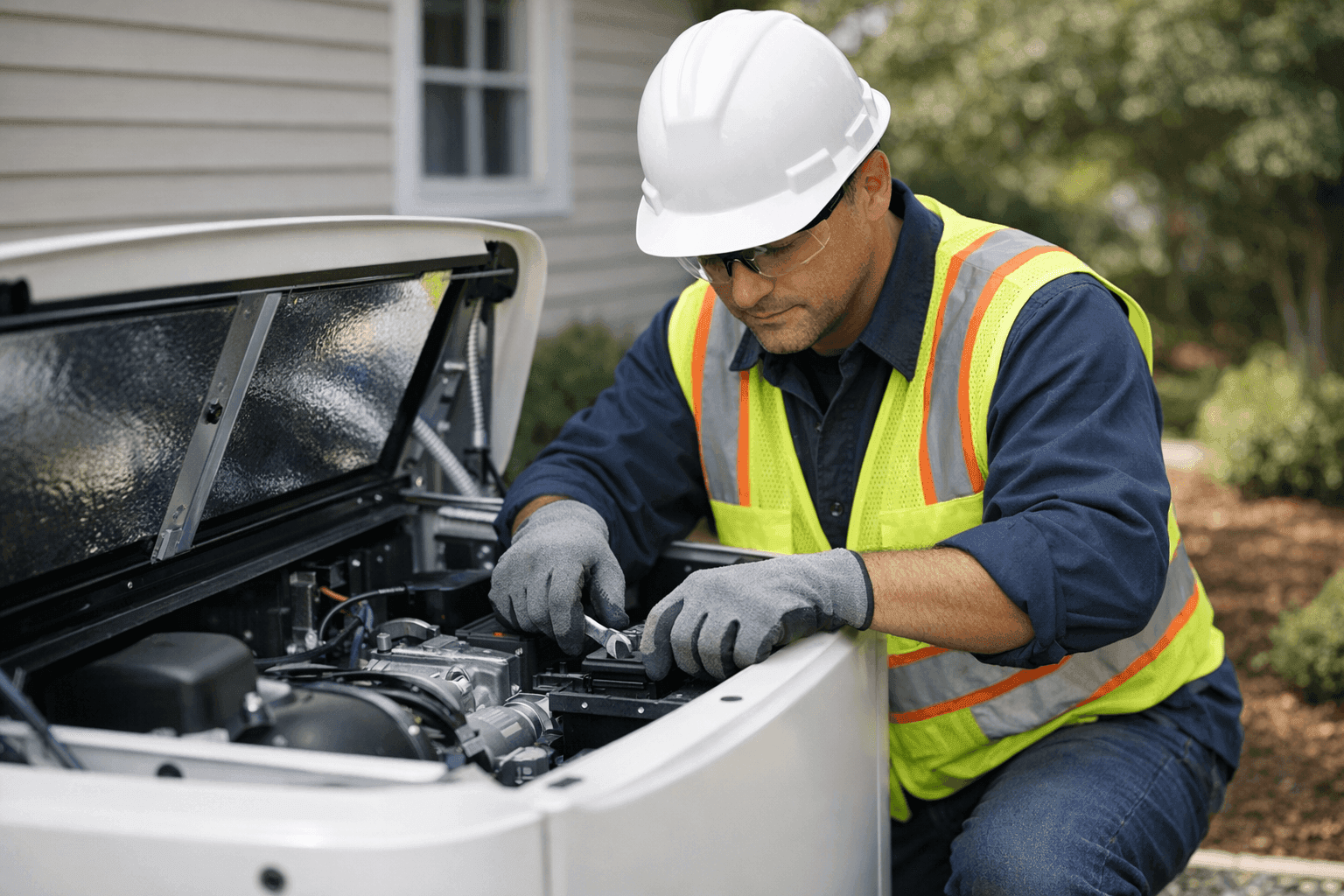
When the lights flicker and the world goes quiet, the hum of a backup generator can feel like a lifeline. Losing power isn’t just an inconvenience—it can mean spoiled food, frozen pipes, or a business grinding to a halt. At Matlock HVAC, we know that peace of mind is priceless when storms roll in or the grid goes down.
That’s why understanding generator installation isn’t just about hardware—it’s about protecting your comfort, safety, and daily routine. Here’s what every homeowner should know, from the first spark of consideration to long-term upkeep.
Why Consider a Home Generator? ⚡
Power outages rarely announce their arrival. One moment you’re streaming a movie, the next you’re fumbling for candles. A generator steps in like an understudy, keeping your home’s essential systems running—heating, cooling, refrigeration, even medical devices.
Key reasons to install a generator:
- Keep the furnace, AC, and sump pump running during outages
- Maintain food safety with uninterrupted refrigeration
- Prevent costly water leaks or frozen pipes
- Stay connected for work, school, or emergencies
- Peace of mind for families, tenants, and businesses
According to the U.S. Department of Energy, even short outages can disrupt HVAC systems and indoor air quality. A generator bridges that gap, ensuring comfort and safety no matter what the weather brings.
Planning and Sizing Your Generator
Choosing a generator isn’t like picking out a new lamp. It’s more like fitting a raincoat—you want the right size for your needs.
Key steps in planning:
- List your essentials: What has to keep running? Furnace? Fridge? Wi-Fi?
- Calculate wattage: Add up the starting and running watts for each device. HVAC systems have hefty startup needs.
- Decide on coverage: Whole-house backup or just the basics?
- Fuel type: Natural gas, propane, diesel, or dual-fuel models each have pros and cons.
- Noise and placement: Generators need breathing room—think of them like a barbecue grill, not a basement appliance.
An HVAC pro can help you avoid the classic mistake of undersizing or oversizing. Undersized, and your generator will sputter under the load. Oversized, and you’ll burn through fuel for no good reason.
For a detailed guide on equipment, fuel, and site evaluation, see the generator installation process.
Installation Process Step-by-Step
Installing a generator is a bit like choreographing a dance—every step matters, and timing is everything.
What to expect:
- Site Assessment: The technician surveys your property for safe, code-compliant placement.
- Concrete Pad or Mount: A secure, level base is poured or installed.
- Transfer Switch Installation: This “traffic controller” safely switches your home from grid power to generator power.
- Electrical & Fuel Hookup: Licensed pros connect wiring and fuel lines, following the National Electrical Code (NEC) and manufacturer instructions.
- System Testing: The moment of truth—your technician simulates a power outage, confirming everything transitions smoothly.
- Final Walkthrough: You’ll learn how to operate, monitor, and maintain your new backup system.
Most residential installations wrap up in a day or two, depending on complexity. Commercial generator projects may take longer, especially for larger loads or custom ventilation.
Safety, Permitting, and Inspections 📝
When it comes to generators, shortcuts aren’t just risky—they’re illegal. Your town or city has strict codes governing installation, fuel storage, and noise.
Safety checklist:
- Confirm permits are pulled before any work begins
- Check setbacks from windows, doors, and vents—exhaust fumes are deadly
- Use only UL-listed transfer switches and components
- Never install a portable unit inside your home, garage, or enclosed porch
Local inspectors will review your setup before it’s activated. They’ll check wiring, grounding, and placement to ensure compliance with the NEC and local fire codes. For authoritative guidance, see resources from the National Fire Protection Association (NFPA 110) and your local building department.
Maintenance and Upkeep
A generator is like a car sitting in your driveway. Ignore it, and it might not start when you need it most. Routine maintenance keeps your system ready for the next blackout.
Maintenance basics:
- Run your generator monthly for 15–20 minutes (“exercise cycle”)
- Change oil, filters, and spark plugs per manufacturer schedule
- Check coolant levels and battery charge
- Inspect for leaks, rodents, or debris around the unit
Professional tune-ups, usually done annually or after heavy use, can catch issues before they become emergencies. For ongoing care, Matlock HVAC offers generator maintenance services.
DIY vs. Professional Installation
Installing a generator isn’t like swapping out a lightbulb. It requires knowledge of electrical codes, fuel systems, and home power needs. DIY attempts can void warranties, damage your HVAC, or create serious hazards.
When you work with a licensed installer, you’re not just getting the hardware. You’re getting a full safety review, proper permitting, and code-compliant work that stands up to inspection.
Common Mistakes to Avoid
Even well-meaning homeowners can make missteps:
- Placing generators too close to the house, risking carbon monoxide infiltration
- Skipping transfer switches, leading to dangerous backfeeding
- Forgetting regular maintenance—resulting in a silent generator during an outage
- Choosing the wrong fuel type for their needs and climate
If you’re ever unsure, ask your technician. It’s better to double-check than risk safety.
How Long Will Installation Take?
For most homes, generator installation takes one to two days, weather permitting. Commercial or complex jobs may require a bit more time for custom sheet metal work or HVAC integration. Plan for a few hours without power while the transfer switch is wired in.
A little disruption now saves a lot of headaches later.
When It’s an Emergency
If your generator fails during an outage, don’t panic. First, check the basics: fuel supply, circuit breakers, and error codes. If it still won’t start—or you hear odd noises—call for service. Fast, reliable help is available for those times when you just can’t wait.
Homeowners in Nashua and surrounding areas can rest assured local support is available when storms or outages hit unexpectedly.
Frequently Asked Questions
Q: Can I run my whole HVAC system on a generator?
A: It depends on your generator’s size. Many whole-house models can handle HVAC, but portable units often can’t.
Q: How often should my generator be serviced?
A: At least once a year, or after every major outage. Follow your manufacturer’s schedule for best results.
Q: Are permits really required?
A: Nearly always. Skipping permits can lead to fines, insurance issues, or safety risks.
Seasonal Considerations 🌦️
Generators face different challenges in summer and winter. In cold climates, batteries can lose charge faster and fuel lines may freeze if not protected. In the heat, ventilation becomes crucial to prevent overheating.
Before the season changes, walk around your unit. Clear away snow, leaves, or anything that might block airflow. Schedule your annual maintenance before peak storm seasons for peace of mind.
Preparing for Service
Before your installer arrives, clear a path to the installation site. Move lawn furniture, pets, or vehicles as needed. If you have questions about fuel storage or generator placement, jot them down for your technician.
And don’t forget—if you need other HVAC services like installation or upgrades, coordinating these projects together can save time and future hassle.
Materials and Equipment
Quality matters. Your installer should use UL-listed transfer switches, weatherproof enclosures, and factory-approved wiring. Ask about noise ratings, warranty coverage, and recommended accessories like surge protectors or remote monitoring.
Signs of Trouble
Don’t ignore warning signs:
- Unusual noises or vibrations
- Trouble starting, especially in cold weather
- Visible leaks or rust
- Frequent error codes or shutdowns
Fast attention can prevent small issues from becoming costly repairs.
Powering More Than Lights
Today’s generators do more than keep the fridge running. They protect your HVAC system, whole-house fans, and even sensitive electronics. With the right planning, your home stays safe, comfortable, and connected—no matter what’s happening outside.
Call Matlock HVAC now — or reach us anytime at 844-484-6545 .