Emergency HVAC Service: What to Do Before Help Arrives
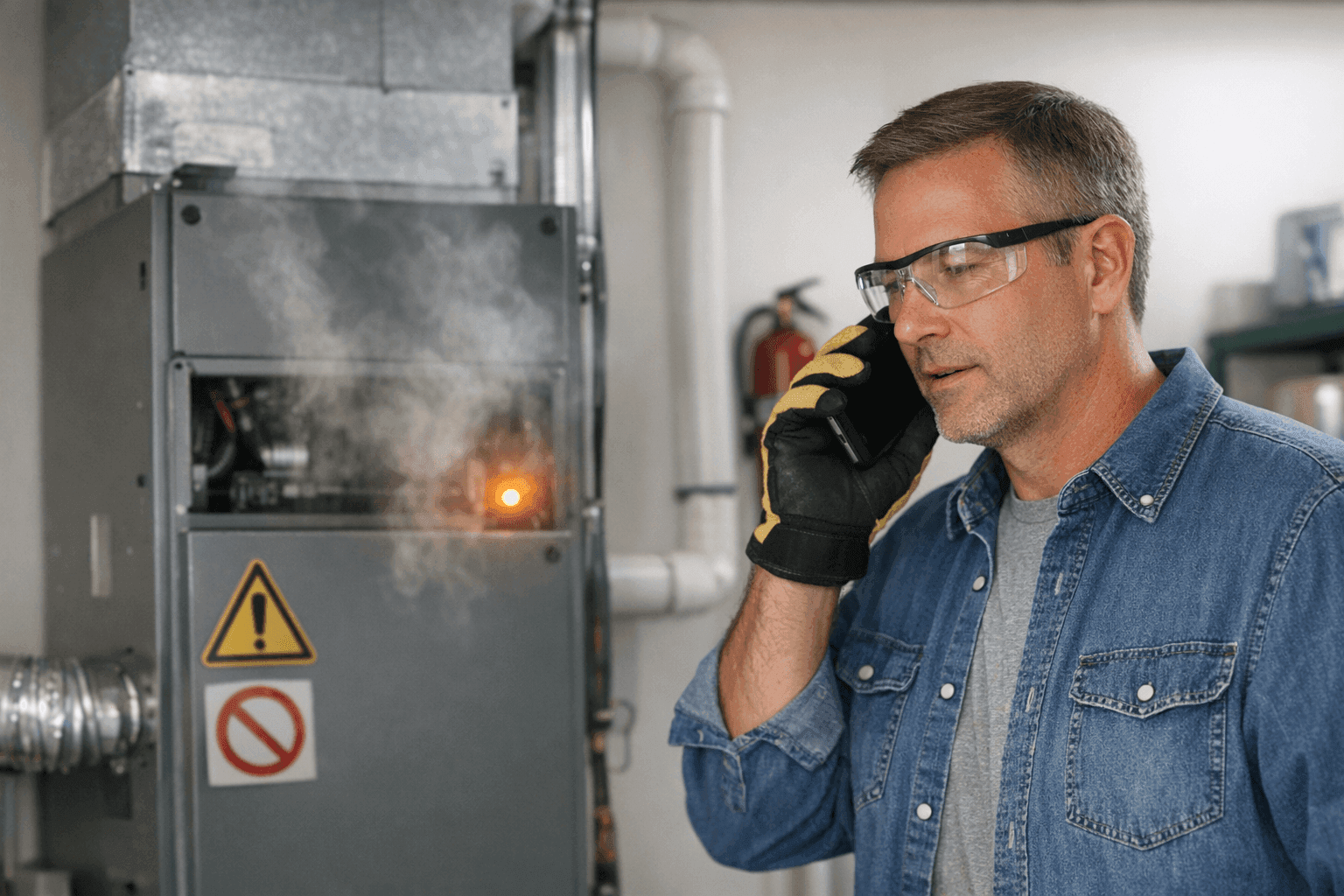
When your HVAC system fails suddenly, it’s more than an inconvenience—it can feel like your home or business has been flipped inside out. Maybe it’s the dead of winter and heat stops working. Or the AC quits on a blazing July afternoon. Emergencies don’t wait for office hours, and neither do we at Matlock HVAC.
We know what it’s like: the stress, the uncertainty, the urge to fix it fast. Before help arrives, there are steps you can take to keep everyone safe and prevent further headaches. Let’s walk through what really matters when every minute counts.
What Qualifies as an HVAC Emergency? 🛑
Not every issue is an emergency. But certain problems demand immediate attention. Here’s how to tell the difference:
- No Heat in Freezing Weather: When temperatures drop below 40°F, lack of heat threatens health and pipes.
- No Cooling During Extreme Heat: High temps can be dangerous, especially for children, older adults, and pets.
- Gas Smells or Leaks: If you smell rotten eggs or suspect a gas leak, leave the building and call your utility provider first—then us.
- Electrical Burning Odors: Burning smells or sparking near your system are warning signs. Power down and seek help.
- Flooding or Leaking Water: Water around your indoor unit can cause structural damage or electrical issues.
- Complete System Failure: When nothing turns on and it’s affecting comfort, safety, or business operations.
If your situation matches any on this list, it’s time for 24-hour emergency service.
Immediate Actions to Protect People and Property
What you do in the first five minutes can make all the difference:
- Check for Obvious Dangers: Smell gas? Evacuate immediately.
- Turn Off Power: If smoke, sparks, or electrical issues occur, kill power at the breaker. Don’t risk it.
- Stop Water at the Source: Leaks? Shut off water valves near your HVAC equipment if safely accessible.
- Ventilate the Area: For carbon monoxide or air quality concerns, open windows and doors if weather allows.
- Keep Everyone Away: Clear the area until it’s safe or until a technician arrives.
How to Communicate with Emergency Technicians 📞
Time is precious during an emergency. Help us help you by sharing clear details:
- Describe the Issue: Is there noise, no power, a leak, or a strange smell?
- Share Symptoms: How long has it been happening? What triggered it?
- Provide Access Info: Tell us about locked gates, pets, or entry instructions.
- List Previous Repairs: If your unit’s had issues before, mention them.
- Stay Available: Keep your phone nearby for updates or questions.
Well-prepared information helps our team bring the right tools and parts for your specific crisis.
Preventing Further Damage Before Help Arrives
Think of your HVAC system like a leaky boat: the goal is to keep things afloat until rescue comes.
- Shut Off the System: If it’s safe, turn off the thermostat and main power switch.
- Contain Leaks: Use towels, buckets, or pans under drips.
- Move Valuables: Protect electronics, documents, and furniture from water or extreme temperatures.
- Check Detectors: Make sure smoke and carbon monoxide alarms are working.
- Don’t Try Major Repairs: Leave complex fixes to licensed professionals.
DIY vs. Call a Pro: What’s Safe to Handle?
Some tasks are safe if you’re comfortable:
- Replacing Filters: Dirty filters can cause problems and are easy to swap out.
- Checking Thermostat Settings: Sometimes, the solution is as simple as fresh batteries or the right mode.
- Resetting Breakers: If a breaker tripped, reset it once. If it keeps tripping, stop and call us.
But when in doubt? Don’t gamble with your safety. For anything involving gas, wiring, or refrigerant, call for HVAC repair.
Quick Safety Checklist for Any HVAC Emergency 📝
- Ensure everyone is safe and accounted for.
- Evacuate if you smell gas or see smoke.
- Cut power to affected equipment.
- Open windows if air quality is a concern.
- Keep children and pets away from problem areas.
- Don’t use space heaters or open flames as a temporary fix.
Signs of Trouble: When to Worry
It’s easy to brush off odd noises or fluctuating temperatures, but some symptoms mean you should act fast:
- Persistent banging, grinding, or screeching
- Unusual odors (burning, musty, chemical)
- Sudden loss of airflow
- Visible sparks or water pooling
- Thermostat unresponsive to changes
These are your “check engine” lights—don’t ignore them.
What Pros Do on Arrival
Here’s what to expect when a Matlock HVAC technician arrives:
- Initial Assessment: We’ll ask about the problem and inspect for immediate dangers.
- System Diagnostics: Using professional tools, we’ll pinpoint the fault.
- Safety Protocols: Our team follows safety codes from organizations like the National Fire Protection Association (NFPA) and ASHRAE.
- Temporary Fixes: If a full repair isn’t possible immediately, we’ll stabilize your system and explain next steps.
- Clear Communication: You’ll get a breakdown of the problem, options, and estimated timelines.
Timeline & Disruption: How Long Will It Take?
Emergencies rarely happen at a convenient time. Here’s what to expect:
- Arrival: Response time varies with location, time of day, and weather.
- Diagnosis: Simple issues may be resolved in one visit. Complex failures might need parts or return visits.
- Restoration: Most repairs take a few hours, but total duration depends on system type and severity.
We know how disruptive HVAC failure can be—especially for businesses. We work quickly and keep you informed.
Common Mistakes to Avoid
- Ignoring Early Warning Signs: Small problems grow fast.
- Attempting Risky Repairs: YouTube is no replacement for a license.
- Using the System Anyway: Don’t run HVAC equipment if it’s leaking, sparking, or making alarming noises.
- Blocking Vents or Returns: In emergencies, airflow matters more than ever.
When Is It NOT an Emergency?
Not all HVAC issues require midnight calls. If you have:
- Minor noise without performance loss
- A single warm or cold room
- Dripping condensation on a humid day
- Broken thermostat with mild weather
Schedule a standard service visit rather than emergency help. Regular maintenance prevents most after-hours surprises.
Preparing for Emergency Service
Make the visit smoother for everyone:
- Clear a Path: Remove obstacles around equipment.
- Secure Pets: Keep animals in a separate room.
- Gather Info: Model and serial numbers, last maintenance date, and any warranty paperwork.
For those in the region, our team responds quickly for local support availability whenever urgent help is needed.
Seasonal Considerations: Winter vs. Summer Emergencies ❄️🌞
- Winter: Frozen pipes and loss of heat escalate risk. Act immediately in sub-freezing temps.
- Summer: Heatwaves are dangerous. Elderly, infants, and those with health conditions need cooling fast.
- Storms: Lightning or flooding can damage both HVAC and generators.
- Wildfire Smoke: Indoor air quality tools like air scrubbers or portable filters add an extra layer of protection.
Prevention & Maintenance: Don’t Wait for Trouble
Regular check-ups are the seatbelt of your HVAC system. Schedule seasonal maintenance for:
- Humidifiers, dehumidifiers, and filters
- Duct cleaning and air balancing
- Generator maintenance and IAQ testing
Preventing breakdowns is always easier than scrambling for a fix. If you’re searching for “Humidifiers near you” or want a home energy audit, our services cover both routine and urgent needs.
FAQ: Emergency HVAC
What should I do if my furnace goes out in the middle of the night? Bundle up, check your breaker, and call for emergency service if it’s dangerously cold.
Is it safe to use a portable heater? Only if it’s UL-listed and kept away from flammable items. Never use ovens or grills for heat.
How can I tell if it’s a refrigerant leak? Look for ice on coils, hissing sounds, or warm air from vents. Don’t touch leaking liquid.
Final Thoughts: Stay Calm, Stay Safe
Emergencies are stressful, but you don’t have to face them alone. Take smart steps, protect your space, and let the professionals handle the rest.
Call Matlock HVAC now — or reach us anytime at 844-484-6545 .