Ductless Mini-Splits vs. Central AC: Key Differences
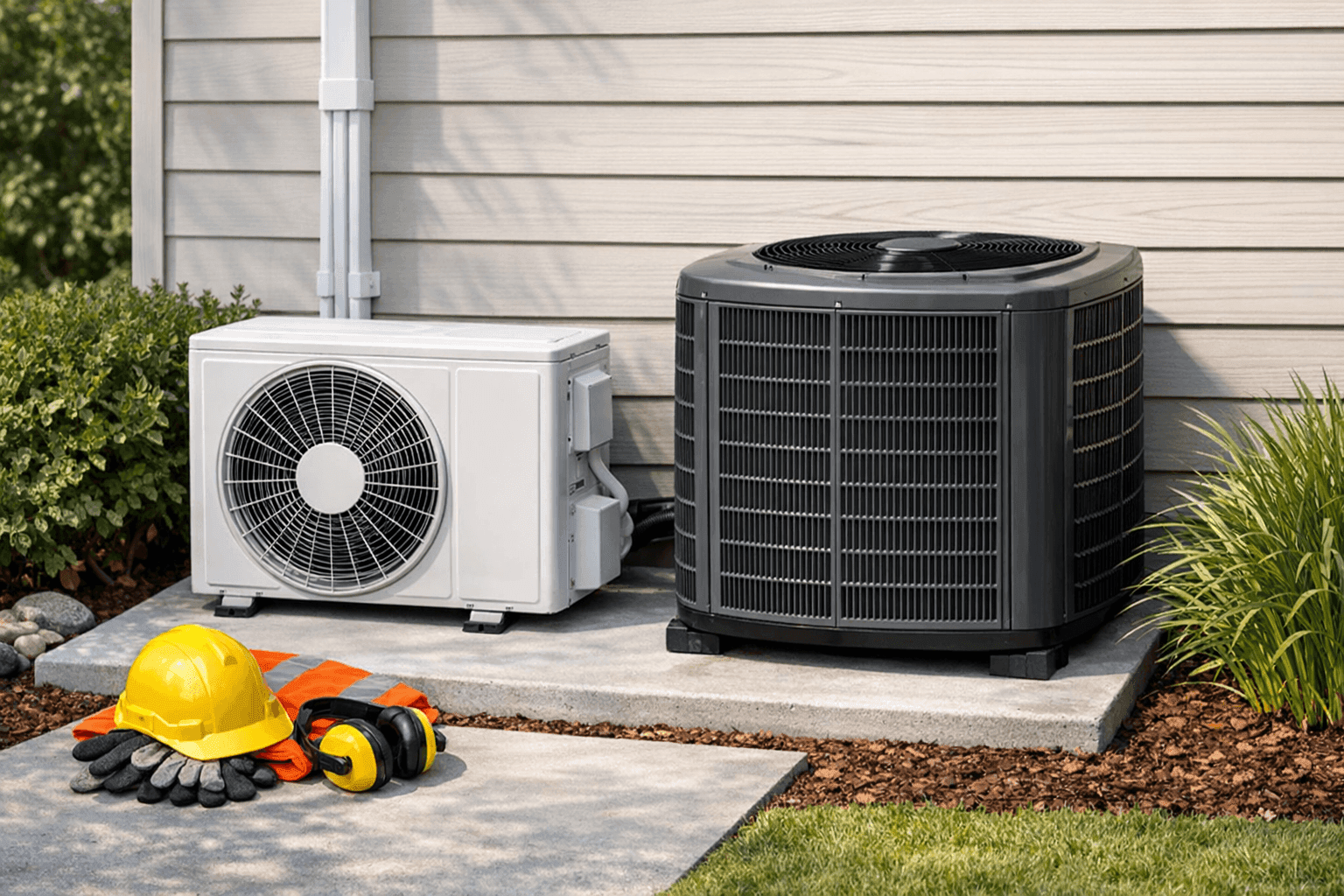
Feeling the heat? Or maybe you’re tired of battling uneven temps room to room. Choosing between ductless mini-splits and central AC isn’t just a technical decision—it’s about comfort, control, and making your home or workspace feel just right. At Matlock HVAC, we know the strengths and quirks of both, and we’re here to break it down in real-world terms.
With so many cooling options out there, it can get confusing fast. Let’s dig deep—but in plain English. We’ll lay out the facts, answer common questions, and help you see which system fits your property’s needs.
How Mini-Splits and Central AC Work 🛠️
Let’s start with the basics. Both systems keep you cool, but they go about it differently.
Ductless Mini-Splits:
Think of a mini-split as a targeted breeze—like opening a window just where you want it. Mini-splits have two main parts: an outdoor compressor and one or more indoor air handlers. They don’t use ducts. Instead, they move refrigerant through thin tubes straight to the rooms you want cooled or heated. Each indoor unit is controlled separately.
Central AC:
Central air is the classic whole-home solution. One big cooling unit (the condenser) sits outside, pumping cool air throughout the building via a network of ducts and vents. It’s like turning on a single faucet and having water flow through pipes to every room—except with air.
Key Difference:
Mini-splits offer zoned, room-by-room control without ductwork. Central AC cools the entire space through existing ducts.
Performance and Efficiency Comparison
Not all cool air is created equal. Performance and energy efficiency matter for both your comfort and your wallet.
Mini-Splits:
- Allow you to cool (or heat) only the rooms in use. No wasted energy on empty spaces.
- Inverter technology lets them run at variable speeds, sipping energy instead of gulping it.
- High SEER (Seasonal Energy Efficiency Ratio) ratings—often above 20.
- No ducts mean no energy loss from leaks or poor insulation.
Central AC:
- Cools the whole property at once—great for consistent temps throughout.
- Modern systems can be efficient, but older ductwork can leak up to 30% of cooled air (U.S. Department of Energy).
- Typically have SEER ratings from 13 to 18, unless you opt for a premium model.
- Ducts must be clean and well-sealed for peak efficiency.
Pro Tip:
If you notice uneven cooling or high bills, it might be time to check your ducts or consider mini-split options for specific areas.
Installation and Cost Differences 💡
Let’s talk nuts and bolts…and budgets.
Mini-Splits:
- No need for ductwork. Installers mount indoor units on walls or ceilings—just a small hole for tubing.
- Quicker installs, often one day for a single-zone system.
- Upfront costs per room can be higher, but you skip duct installation and get easier expansion later.
- Minimal disruption—no tearing out walls or ceilings.
Central AC:
- Requires ductwork. Retrofitting ducts into an older property can get messy and expensive.
- Installation can span several days, especially if ducts need replacement or cleaning.
- Lower cost per square foot for large, open homes with existing ducts.
- Best suited for new builds or properties with solid, well-maintained ductwork.
Remember:
Labor and material costs vary by region and property. Always get a detailed quote before deciding. For those weighing the best approach to AC installation, it’s smart to compare both systems’ long-term operating costs as well as the upfront expense.
Best Use Cases for Each System 🏠
Every building tells its own story. Here’s where each system shines.
Mini-Splits Are Best For:
- Homes without existing ducts.
- Add-ons, garages, sunrooms, or finished basements.
- Offices with varying occupancy—cool only the rooms in use.
- Older homes with thick walls, historic properties, or tricky layouts.
- Energy-conscious homeowners wanting precise control.
Central AC Excels When:
- The property already has modern, well-sealed ductwork.
- You want one thermostat for the whole building.
- Large, open floor plans where zoned cooling isn’t a priority.
- Commercial spaces requiring unified temperature control.
Fun Fact:
Many commercial properties use both: central AC for main floors, mini-splits for server rooms or offices needing extra cooling.
Indoor Air Quality: Filters, Humidifiers, and More
Air quality isn’t just about temperature. It’s about what you’re breathing in.
- Mini-Split Filters: Each unit has its own filter—easy to clean or replace.
- Central AC Filters: One central filter, but if ducts are dirty, dust gets spread everywhere.
- Humidifiers/Dehumidifiers: Both systems can work with portable units, but central AC can integrate whole-house solutions.
- IAQ Testing: No matter your system, consider regular indoor air quality (IAQ) testing to spot issues early.
The Environmental Protection Agency (EPA) recommends changing filters regularly and keeping humidity between 30-50% for comfort and health.
Maintenance Requirements and Tips 🧰
A little TLC keeps your system humming.
Mini-Splits:
- Clean or change filters monthly.
- Wipe down indoor units.
- Have a professional check refrigerant lines and outdoor units yearly.
Central AC:
- Change central filter every 1–3 months.
- Schedule annual duct cleaning.
- Get a pro tune-up each spring.
Pro Tip:
Schedule maintenance before peak seasons to catch issues early.
Common Mistakes to Avoid
- Ignoring the sizing: Undersized units struggle; oversized ones waste energy.
- Skipping maintenance: Dirty filters and neglected coils kill efficiency.
- DIY installation: Improper setup can void warranties and lead to leaks or electrical problems.
- Mixing old ducts with new units: Old, leaky ducts can erase gains from a high-efficiency central AC.
When to Call a Pro
If your system is short cycling, leaking, or causing odd smells, it’s time for professional help. Sudden loss of cooling could be a refrigerant issue or a failed component. For urgent issues, Matlock HVAC offers 24-hour emergency service.
Residents looking for rapid support or same-day solutions can check our local availability for Springdale repairs and installations as needed.
Safety Checklist Before Any Service
- Turn off power to the HVAC system at the breaker.
- Clear space around indoor and outdoor units.
- Keep pets and children away from work areas.
- Double-check that all vents or air handlers are accessible.
Following these steps helps your technician work safely and efficiently.
Timeline & Disruption: What to Expect
- Mini-Split: Most single-zone installs take 4–6 hours. Multi-zone can stretch to a day or two.
- Central AC: With existing ducts, expect 1–2 days. For new ducts, count on several days and some drywall work.
You may need to shuffle furniture or relocate temporarily if major ductwork is involved.
FAQs
Can I install a mini-split and central AC together?
Yes. Many properties use both for maximum flexibility.
Is one system quieter than the other?
Mini-splits are famously quiet indoors. Central AC noise depends on duct design and unit location.
Which lasts longer?
With good maintenance, both can last 12–20 years. Quality and care matter most.
Seasonal Considerations
- Spring: Schedule inspections and filter changes before the first heat wave.
- Summer: Monitor energy use—spikes may signal a problem.
- Fall/Winter: Mini-splits with heat pumps can provide efficient heating.
- Year-Round: Regular IAQ testing ensures safe, healthy air for all occupants.
Final Thoughts
The right choice depends on your building, needs, and budget. Mini-splits shine in targeted, flexible applications. Central AC delivers unified comfort where ductwork is already in place. Either way, Matlock HVAC is here to help you breathe easier.
Call Matlock HVAC now — or reach us anytime at 844-484-6545 .