Dehumidifiers vs. Humidifiers: Which Does Your Home Need?
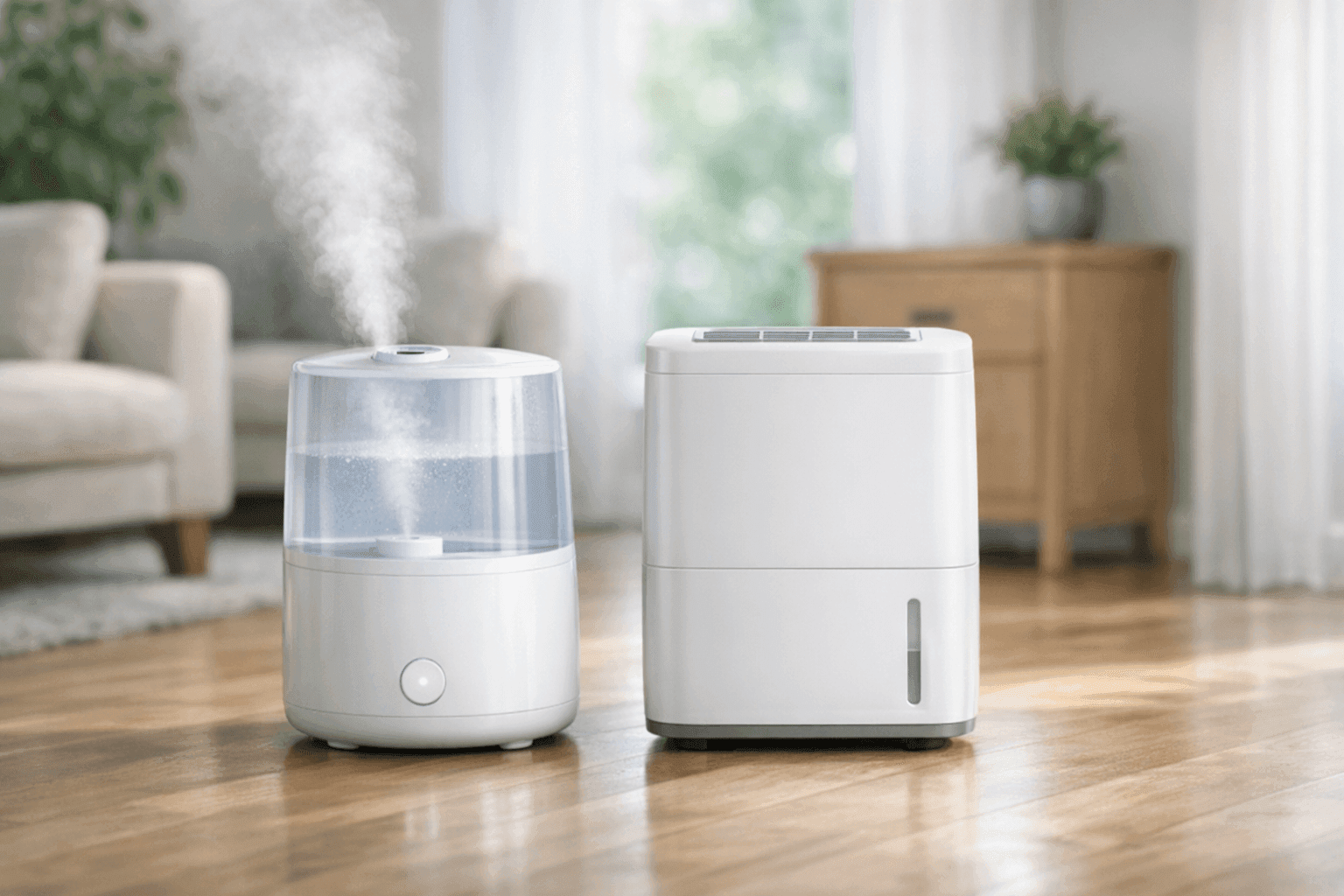
Is your home’s air feeling heavy, muggy, or sticky? Or maybe your skin is dry, your lips are chapped, and static shocks greet you at every turn. Humidity can be a silent saboteur—too much or too little, and comfort goes right out the window.
At Matlock HVAC, we help families and businesses breathe easier by dialing in the perfect balance. Humidifiers and dehumidifiers are two sides of the same coin. But which do you need? Let’s break it down.
Understanding Humidity and Home Comfort 🌡️
Picture humidity like the Goldilocks principle—too high, and your house feels like a rainforest; too low, and it’s a desert. The sweet spot? The Environmental Protection Agency recommends 30–50% relative humidity indoors. Within this range, you’ll notice fewer odors, less dust, and a comfortable environment all year.
Both humidifiers and dehumidifiers are HVAC tools designed to keep this balance. But they work in opposite ways.
- Humidifiers add moisture to dry air.
- Dehumidifiers pull excess moisture out of damp air.
Think of it as tuning a piano: Too loose (humid) or too tight (dry), and the music—your comfort—falls flat.
Signs You Need a Dehumidifier
When the air feels damp, your home sends warning signals. Here’s what to watch for:
- Condensation on windows, especially in the morning
- Musty smells, particularly in basements or closets
- Mold spots on walls, ceilings, or behind furniture
- Sticky skin or clammy feeling indoors
- Warped wood floors or peeling paint
- Allergies that flare up when you’re home
Living with too much moisture can be more than uncomfortable. It can also damage your home’s structure. Moisture finds the tiniest cracks and, over time, can rot wood, ruin insulation, and invite pests.
A professionally installed dehumidifier system can make all the difference when battling persistent dampness.
Signs You Need a Humidifier
Now flip the scene. If your home is as dry as a winter wind, you’ll see very different signs:
- Itchy skin, cracked lips, or dry sinuses
- Static electricity zapping you and your electronics
- Wooden furniture or floors shrinking and cracking
- Houseplants wilting, even with regular watering
- Increased allergy or asthma symptoms
Dry air is common during cold months, especially when the heat is running. This air can pull moisture from your body and your belongings.
Adding a humidifier can soothe symptoms and protect everything from your grand piano to your hardwood floors.
Health and Building Impacts
Humidity isn’t just about comfort—it’s about health and safety.
- High humidity encourages mold, dust mites, and bacteria. According to the CDC, these can trigger asthma and allergies. It also creates a breeding ground for pests like silverfish and cockroaches.
- Low humidity dries out your skin and respiratory system. The Mayo Clinic notes this can worsen cold and flu symptoms, increase nosebleeds, and cause throat irritation.
Your home’s structure is at stake, too. Too much moisture warps wood, rusts metal, and peels paint. Too little, and wood shrinks, cracks, and joints loosen.
DIY Humidity Check: Quick Safety Checklist
Before you invest in equipment, try this:
- Place a hygrometer (digital humidity gauge) in central rooms.
- Test at different times: morning, afternoon, night.
- Record readings for a week. Note any patterns.
If humidity regularly falls below 30%, a humidifier may help. If it’s above 50%, consider a dehumidifier. If it swings wildly, call an HVAC professional for a full indoor air quality assessment.
Common Mistakes Homeowners Make
It’s easy to overlook humidity—until it’s a problem. Here are classic pitfalls:
- Ignoring musty smells or mold spots, thinking they’ll go away
- Using portable units that are too small for the space
- Setting humidifiers too high, creating condensation on windows
- Not maintaining HVAC filters or forgetting to clean water tanks
Even well-meaning DIY fixes can backfire. Always size your system to your home’s square footage and use devices with automatic controls if possible.
Choosing the Right Device for Your Home
Picking between a humidifier and dehumidifier is about matching the solution to your space and lifestyle.
- Home size: Larger homes may need whole-house systems, while apartments might manage with smaller units.
- Climate: Humid summers? Dehumidifier. Dry winters? Humidifier.
- Health needs: Asthma, allergies, or respiratory issues may sway your choice.
- Building materials: Hardwood, antiques, and musical instruments need stable humidity to prevent damage.
If you’re unsure, a professional can test your indoor air and recommend the best fit.
When to Call an HVAC Professional
Some signs mean it’s time for expert help:
- Mold keeps returning, even after cleaning
- Humidity readings won’t stabilize
- Breathing issues worsen at home, but not elsewhere
- Water leaks or standing water in basements or crawl spaces
A certified technician can assess your HVAC system, check ductwork, and recommend safe, code-compliant solutions. Following guidelines from the American Society of Heating, Refrigerating and Air-Conditioning Engineers (ASHRAE) ensures your home meets modern safety standards.
How Pros Diagnose Humidity Problems
When a Matlock HVAC technician arrives, here’s what you can expect:
- Full inspection of HVAC equipment and ventilation systems
- Testing for air leaks, insulation, and drainage issues
- Measuring humidity in multiple rooms with professional tools
- Checking for hidden mold or water damage
- Recommending tailored solutions—no guesswork
This thorough, methodical approach means you get results that last, not just a quick fix.
Prevention & Maintenance Tips
Keep your air balanced year-round:
- Install a programmable thermostat and use it to manage temperature swings.
- Regularly replace HVAC filters to keep air flowing freely.
- Clean humidifier and dehumidifier tanks per manufacturer instructions.
- Use exhaust fans in kitchens and bathrooms.
- Schedule annual HVAC tune-ups, especially before extreme seasons.
Routine care not only improves air quality but also extends the life of your equipment.
Seasonal Considerations: Humidity Year-Round
Humidity needs shift as the seasons change.
- Winter: Furnaces dry out air; humidifiers soothe skin and throats.
- Spring/Summer: Rain and heat raise indoor moisture; dehumidifiers keep air crisp.
In coastal or flood-prone areas, extra vigilance is vital. Residents in Bayonne and the surrounding region often face humid summers that can stress even the best HVAC systems.
Costs & Time Factors: What to Expect
- Portable units: $50–$300, often for single rooms.
- Whole-house systems: $1,000–$3,000+ installed, but cover the full home.
- Energy costs: Properly managed humidity can lower heating and cooling bills.
Installation takes a day or less for most homes. Maintenance is simple with regular checkups.
When It’s an Emergency
Some humidity problems can’t wait:
- Sudden water leaks or flooding
- Rapid mold growth
- Allergic reactions or breathing difficulties at home
If you face any of these, call us immediately. 24-hour emergency service means help is always close by.
FAQ: Quick Answers
How do I know if I need a dehumidifier or humidifier?
Check your symptoms and measure with a hygrometer. If still unsure, schedule an IAQ test.
Can I use both at once?
In rare cases, yes—if different rooms have different needs. But usually, one or the other will balance your whole home.
Are portable units enough?
For small spaces, yes. For lasting comfort and better air quality, a whole-house system is best.
The Bottom Line: Healthy Air, Happy Home
Humidity control isn’t just a luxury—it’s essential for health, safety, and comfort. Whether you need a dehumidifier to fight muggy air or a humidifier to soothe winter dryness, Matlock HVAC is ready to help.
Call Matlock HVAC now — or reach us anytime at 844-484-6545 .