Best Practices for Commercial Kitchen Ventilation
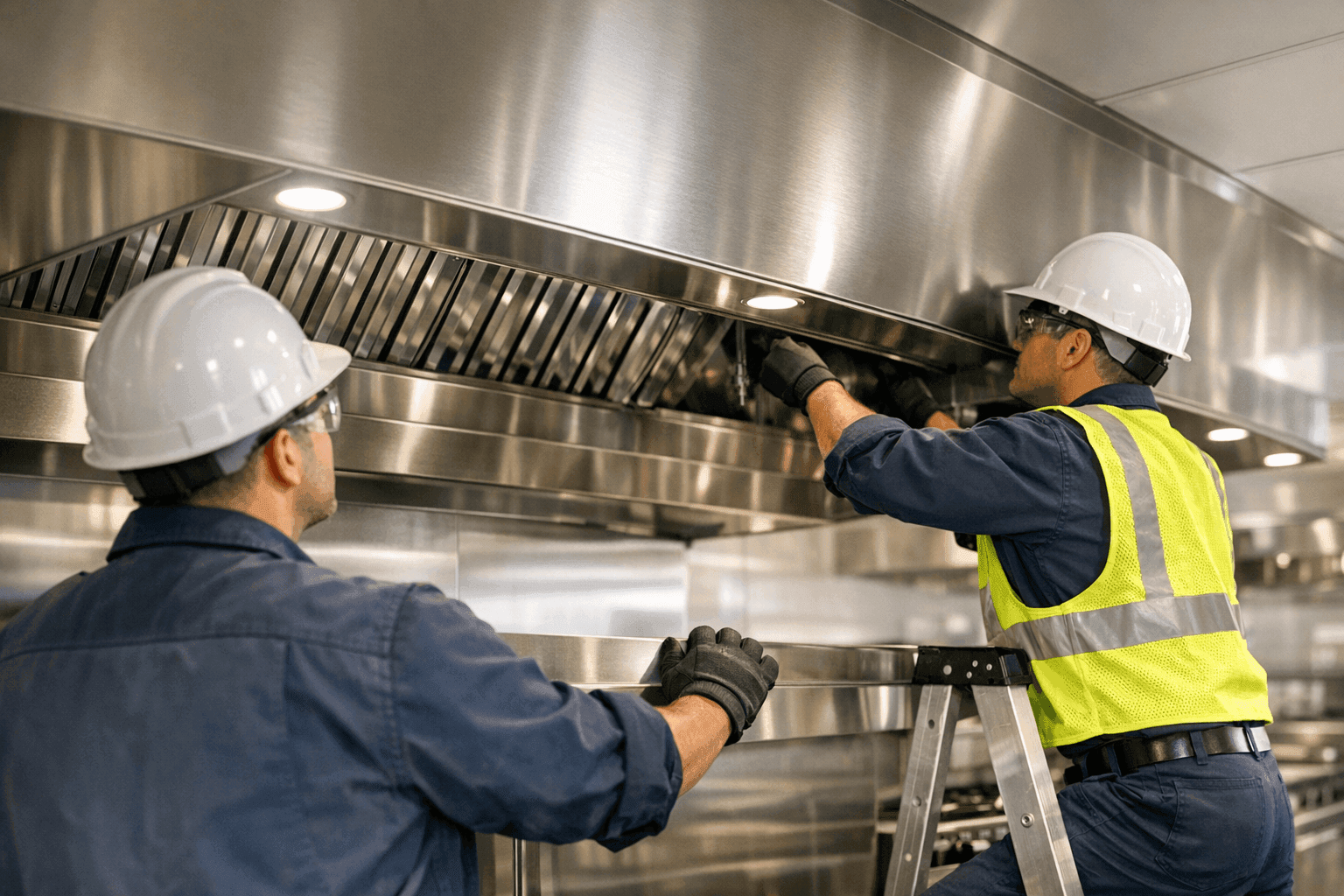
Running a commercial kitchen is a balancing act. The rush of orders, the sizzle of pans, and—if you get ventilation wrong—the looming cloud of smoke and heat. At Matlock HVAC, we know that safe, efficient kitchen ventilation is more than a box to check. It’s the backbone of a healthy, productive workspace.
Neglecting kitchen air quality can lead to code violations, health issues, and even fire risks. The good news? With the right setup and habits, your kitchen can run smoother, safer, and cleaner. Here’s what every commercial kitchen owner and manager needs to know.
Why Proper Kitchen Ventilation Matters 🍽️
Think of your kitchen ventilation like the lungs of your building. When it’s working well, fresh air flows in, smoke and odors are whisked away, and everyone breathes easier. But if it’s clogged or poorly designed, the entire operation starts wheezing.
- Reduces airborne grease and odors: Keeps your space pleasant for staff and customers.
- Controls heat and humidity: Prevents uncomfortable working conditions and protects equipment.
- Complies with health and fire codes: Local regulations (such as those outlined in NFPA 96) require effective ventilation to minimize hazards.
- Boosts indoor air quality (IAQ): Vital for staff health, especially in high-volume environments.
A well-designed system isn’t just about comfort—it protects your investment and reputation.
Design Considerations for Hood & Exhaust
Choosing the right hood and exhaust system is like picking the right tires for a delivery truck. The wrong size or type, and you’re in for a bumpy ride.
Key factors:
- Type of cooking equipment: Fryers, ovens, and grills generate different levels of grease and smoke.
- Hood size and placement: A hood must cover all heat-producing equipment, with enough overhang to catch rising vapors.
- Exhaust rate: Measured in cubic feet per minute (CFM), this determines how quickly air is replaced. Undersized fans lead to lingering odors and excess heat.
- Ductwork material: Heavy-duty sheet metal is the industry standard for fire resistance and durability.
- Make-up air: For every cubic foot of air exhausted, fresh air must be supplied. Otherwise, you create negative pressure that can disrupt appliances or draw in outdoor contaminants.
You can explore more about our approach to design and installation on our hood and exhaust installation service page.
Installation Materials and Sheet Metal Choices
The bones of your ventilation system are just as important as the design. Quality sheet metal matters. Stainless steel is popular for its corrosion resistance and ease of cleaning. Galvanized steel is cost-effective for certain duct runs, but shouldn’t be used where grease buildup is heavy. Always ensure materials comply with local building and fire codes—cutting corners here can mean trouble down the line.
Quick Safety Checklist for Kitchen Ventilation
Before firing up the grill, run through this simple list:
- Hood filters are clean and properly seated.
- No visible grease buildup on hoods or ductwork.
- Exhaust fans are running smoothly—no odd noises or vibrations.
- Fire suppression system is charged and tagged for inspection.
- Make-up air system is functional.
- Emergency shut-off controls are accessible.
A kitchen that passes this list is primed for safe, efficient operation.
Maintenance and Cleaning Schedule 🧽
A clean system is a safe system. Think of regular maintenance like changing the oil in a delivery van—skip it, and you’re asking for trouble.
Recommended schedule:
- Daily: Wipe down hood surfaces and removable filters.
- Weekly: Check fan belts, clean filters, inspect for leaks or unusual noises.
- Monthly: Inspect ductwork for grease, test make-up air systems.
- Semi-Annually: Professional deep cleaning of ducts, fans, and hoods; inspect fire suppression.
Neglecting maintenance can lead to dangerous grease buildup, lower air quality, and costly repairs. The National Fire Protection Association (NFPA 96) offers clear guidance on cleaning intervals based on cooking volume and equipment type.
Common Mistakes in Kitchen Ventilation
Even the best intentions can go sideways. Here are pitfalls to avoid:
- Improper hood size or placement: Leaves gaps for smoke and steam to escape.
- Neglecting make-up air: Results in backdrafts or appliance malfunction.
- Using non-compliant materials: Increases fire risk.
- Skipping regular cleaning: A shortcut that often leads to major downtime.
Avoid these, and your kitchen will thank you.
Improving Air Quality and Safety 🛡️
Good ventilation is about more than just removing smoke. It’s about keeping the working air as fresh and safe as possible.
- Upgrade filters regularly: High-efficiency filters capture more particulates.
- Consider air scrubbers or IAQ testing: Especially important if staff report headaches, fatigue, or odors.
- Monitor humidity: Dehumidifiers can help prevent mold and slippery floors.
- Balance airflow: An imbalance can cause doors to stick, drafts, or uneven kitchen temperatures.
Simple upgrades and regular IAQ checks go a long way in protecting your team.
When to Call an Expert
Sometimes, kitchen ventilation issues sneak up quietly. If you notice persistent odors, poor draft, or rising kitchen temperatures, it may be time to bring in a professional. For those in the area, our team is available in the Salem region for prompt, on-site support.
Costs and Timeline: What to Expect
Ventilation upgrades or repairs aren’t one-size-fits-all. Minor filter changes are quick and affordable. Full hood or duct replacements take longer, with costs depending on kitchen size, system complexity, and material choices. Plan for some disruption during major work, but reputable crews aim to minimize downtime.
DIY Fixes vs. Professional Service
Wiping down hoods? Go for it. Replacing fan belts or deep-cleaning ductwork? Leave that to the pros. Professional technicians bring specialized tools—and a deep knowledge of code requirements—that keep your kitchen compliant and safe.
Signs Your System Needs Attention
Keep an eye (and nose) out for these warning signals:
- Smoky air or lingering odors.
- Unusual noises from fans or hoods.
- Grease stains on ceilings or walls.
- Employees reporting discomfort or headaches.
- Difficulty maintaining kitchen temperatures.
Spot these? Act quickly to prevent bigger issues.
Emergency Ventilation Issues: What to Do
If your exhaust system fails during service, shut down cooking equipment immediately. Open doors and windows if safe, and do not attempt repairs on energized equipment. Emergency HVAC support is available 24/7 to tackle urgent problems and restore safe operations.
Seasonal Considerations for Commercial Kitchens
Winter can bring stack effect issues and backdrafts, while summer humidity strains fans and dehumidifiers. Schedule seasonal maintenance checks to adjust for changing weather and kitchen demand.
Preparing for Service Visits
Before your technician arrives:
- Clear access to hoods and roof fans.
- Have maintenance logs ready.
- Note any recent changes or issues.
- Communicate special scheduling needs to minimize disruption.
A little prep goes a long way toward a smooth, efficient service call.
Frequently Asked Questions
How often should commercial kitchen hoods be cleaned?
NFPA 96 recommends monthly to quarterly, depending on cooking volume.
Are air scrubbers or IAQ testing worth it?
Yes, especially in high-volume or allergy-sensitive environments. Clean air means healthier staff and fewer complaints.
What’s the benefit of professional sheet metal ductwork?
Durability, safety, and code compliance. Custom-fit ducts reduce leaks and boost system performance.
Where can I find humidifiers near you for kitchens?
Look for HVAC providers with a range of indoor air quality solutions tailored for commercial spaces.
A well-ventilated kitchen is the heart of a safe, efficient restaurant. For help with design, maintenance, or repairs, Call Matlock HVAC now — or reach us anytime at 844-484-6545 .