Air Balancing for Commercial Buildings: Why It Matters
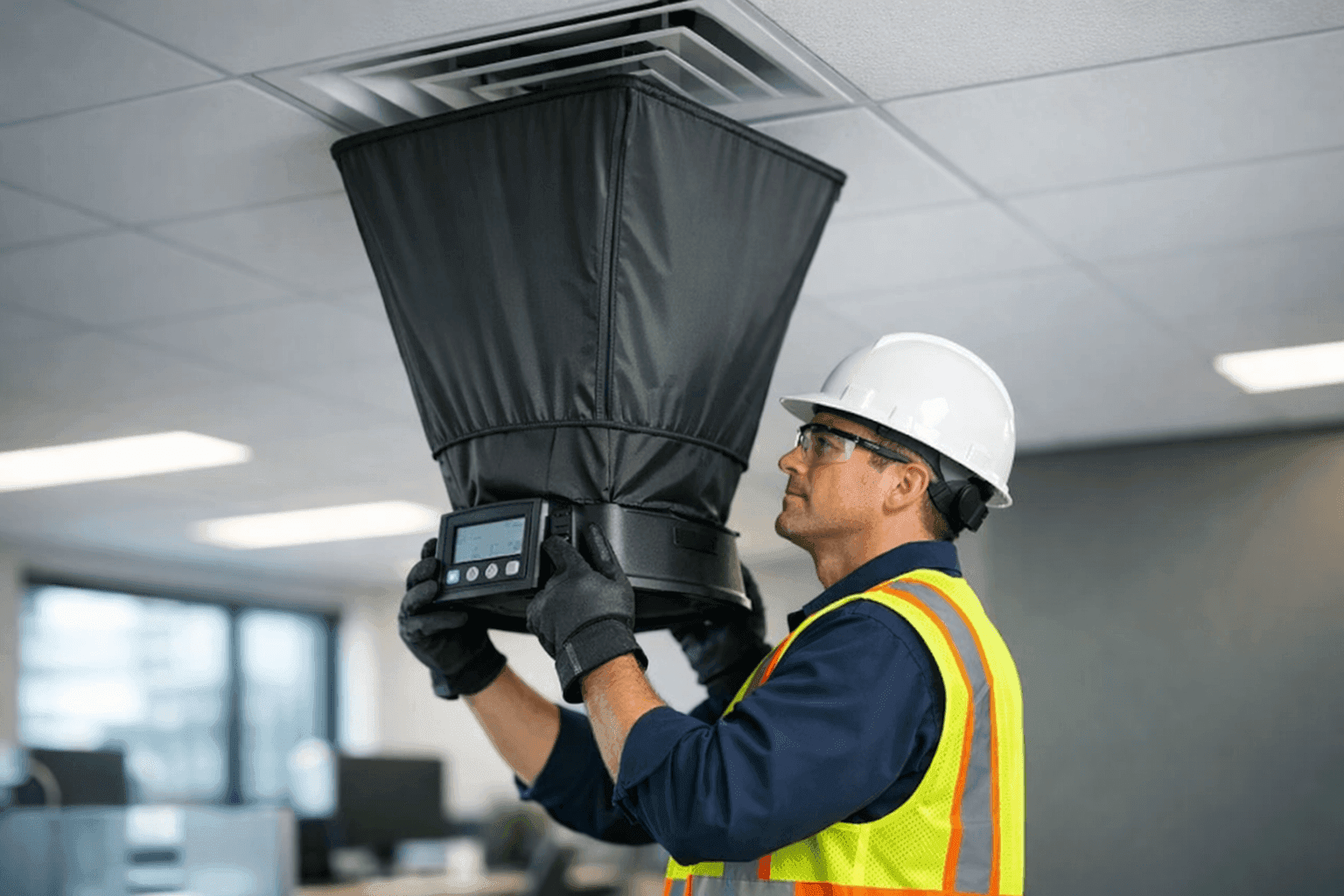
Is your office always too hot in some rooms and freezing in others? Do employees complain about stuffy air or mysterious drafts? For many commercial building managers, uneven heating and cooling feels like a never-ending game of thermostat tug-of-war.
At Matlock HVAC, we know comfort isn’t just about temperature—it’s about balance. Air balancing is the unsung hero of commercial hvac, quietly shaping productivity, health, and energy costs.
Why Air Balancing Matters in Commercial Spaces 🏢
Imagine your building’s air system as a set of lungs. If one side breathes too hard, and the other barely moves, the whole system gets out of sync. That’s what happens in a poorly balanced hvac setup.
Balanced airflow means every room gets just the right amount of heated or cooled air. The result? Fewer complaints, less wasted energy, and a work environment people actually enjoy.
ASHRAE (the American Society of Heating, Refrigerating and Air-Conditioning Engineers) sets clear guidelines for air distribution in commercial properties. Proper air balancing isn’t just best practice—it’s often required by code.
Signs of Poor Air Distribution
Hot and cold spots are only the start. Watch for these tell-tale signs that your building's air might be out of balance:
- Employees constantly adjusting thermostats.
- Doors that slam shut or are hard to open due to pressure differences.
- Unusual dust buildup near vents or registers.
- Persistent humidity issues or lingering odors.
- Complaints about headaches, fatigue, or poor indoor air quality.
If these problems sound familiar, your airflow may need a closer look.
The Professional Air Balancing Process
You wouldn’t tune a piano by ear in the middle of a concert. Similarly, air balancing requires precision tools and a systematic approach.
Here’s what Matlock HVAC’s team does during a commercial air balancing service:
- System Assessment: We review blueprints, inspect ductwork, and check equipment like air handlers, dampers, and thermostats.
- Measuring Airflow: Using specialized instruments, we measure airflow at registers and returns, comparing real numbers to design intent.
- Adjustments: Technicians tweak dampers, grilles, and sometimes even fan speeds to redirect air where it’s needed.
- Verification: After adjustments, we re-measure to confirm every room meets its target airflow.
- Documentation: A full report details what was found, what was changed, and recommendations for further hvac maintenance if needed.
Quick Safety Checklist
Before any balancing work, always ensure:
- Electrical panels are accessible and locked out as per OSHA safety guidelines.
- Ladder and lift safety protocols are followed.
- Filters are clean—dirty filters throw off measurements.
- The building automation system is accessible for adjustments.
A safe job is a successful job.
Common Mistakes Building Managers Make
- Ignoring Small Complaints: One drafty office can signal a much bigger system imbalance.
- DIY Adjustments: Closing vents or blocking returns can worsen the problem and even damage your hvac system.
- Skipping Regular Maintenance: Dirty filters or clogged ductwork disrupt air delivery and make balancing impossible.
DIY vs. Call a Pro
While swapping out filters or clearing visible obstructions is fair game for maintenance staff, true air balancing is best left to certified commercial hvac professionals. Why? Adjusting dampers without proper measurement is like steering a ship blindfolded—small tweaks can have big, unexpected effects elsewhere.
The Ripple Effect: Productivity and Comfort
Comfort isn’t just about avoiding complaints. Studies published by the EPA and the National Institutes of Health show that poor indoor air quality and temperature swings tank productivity, increase sick days, and can even lead to higher turnover rates.
Balanced airflow supports:
- Consistent temperatures throughout the building.
- Better control of humidity, reducing mold risk.
- Improved performance from air scrubbers, humidifiers, and filters.
- Happier, healthier tenants and staff.
When It’s an Emergency
A sudden spike in temperature, unexplained odors, or equipment alarms can signal a major air distribution problem. In those moments, local support matters. Matlock HVAC proudly offers 24-hour emergency service for commercial buildings throughout the region, including Seattle, to keep your business running safely.
Timeline & Disruption: What to Expect
A typical commercial air balancing job takes one to three days, depending on building size and complexity. We work after hours or in phases to minimize disruption. Expect a few technicians with meters and ladders—no jackhammers or demo teams.
Seasonal Considerations
Your building’s needs change with the seasons. Heating mode in winter, cooling in summer—each can throw your airflow out of whack. Schedule balancing checks at least twice a year, especially after major renovations or equipment upgrades.
Materials & Equipment
Pros use:
- Airflow hoods and anemometers to measure supply and return.
- Manometers for pressure readings.
- Smoke pencils for visualizing tricky air currents.
- Access to your building automation system (BAS) for real-time adjustments.
Preventive Maintenance Tips
- Replace air filters every 1–3 months.
- Keep supply and return vents clear of furniture and boxes.
- Schedule annual duct cleaning to prevent buildup.
- Invest in regular ventilation system tune-ups.
These habits help maintain balanced airflow between professional checkups.
Costs & Energy Savings
While there’s an upfront cost to professional air balancing, the investment pays off. Balanced systems run less often and more efficiently, cutting energy bills by up to 20% (according to the U.S. Department of Energy). Reduced wear means fewer breakdowns and a longer system lifespan.
Real-World Example: Office Tower Transformation
One downtown office tower struggled for years with stubborn hot zones and excessive humidity on its top floors. After a comprehensive air balancing service, complaints dropped to near zero. The property manager reported a noticeable dip in energy consumption and improved tenant satisfaction—proof that balance isn’t just a buzzword.
Frequently Asked Questions
How often should my building be rebalanced?
At minimum, every 2–3 years, or after major hvac system changes.
Can air balancing help with odors?
Absolutely. Proper airflow helps remove stale air and distribute fresh, filtered air.
Is it worth it for smaller offices?
Yes. Even small imbalances can create big headaches and higher energy costs.
The Bottom Line
Balanced air is invisible—but its effects are everywhere. From comfort and health to your utility bill, don’t underestimate what a well-tuned system can do.
Call Matlock HVAC now — or reach us anytime at 844-484-6545 .